
Principal Analyst
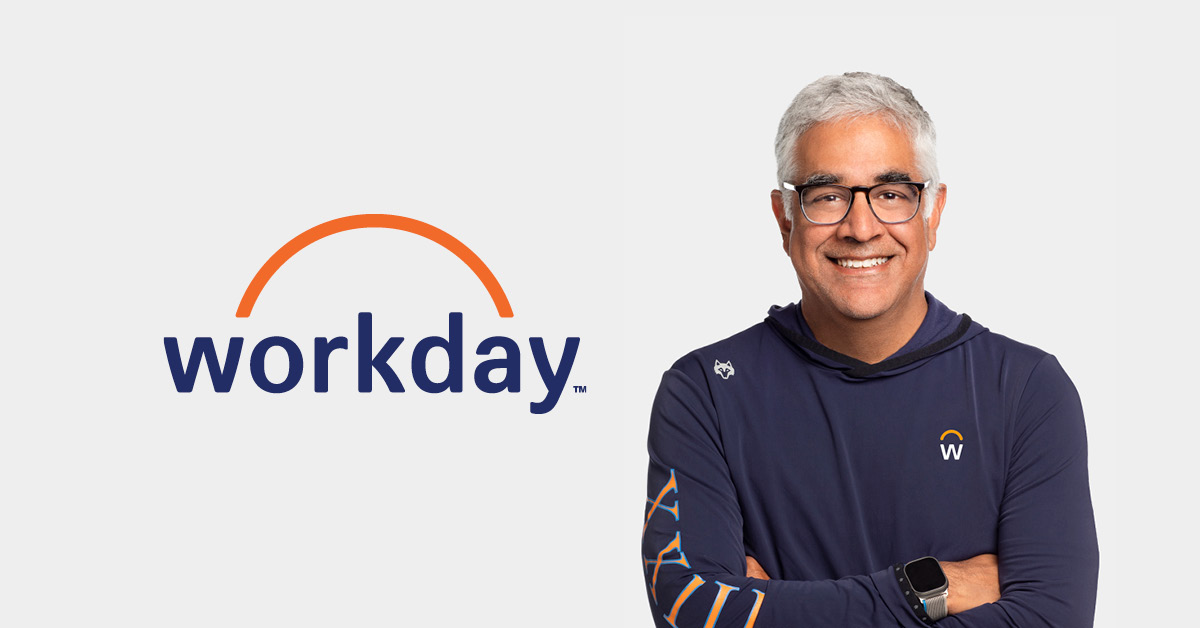
Workday reset its leadership model. On February 9, 2026, Workday announced that co-founder and executive chair Aneel Bhusri is returning as CEO, effective immediately, replacing Carl Eschenbach, who stepped down the same day.
This is the third act in the following timeline:
During this time, Aneel was still very present as the board chair with a significant focus on the product. Workday focused on internal efficiency, execution, and deepening its global presence. In the past year, it implemented major headcount reductions approaching 10%:
These moves improved efficiency and operating leverage, but they did not, by themselves, set Workday up to out-innovate what’s coming. The real competitors over the next few years won’t just be the usual ERP vendors. They’ll be disruptors built around agentic AI and radically faster product cycles.
The pressure points are clear:
Now, Workday’s core issue is not business execution, but innovation velocity. Per Aneel’s post, the intent is clear: position Workday for the AI future.
Enterprise SaaS vendors are facing an existential threat with a brief window to pivot, as creating core ERP functionality is complex and expensive. But that window is significantly smaller than it was when Workday entered the market as the first SaaS ERP. Development acceleration with agentic AI is real, and it’s plausible that an AI-native ERP emerges far faster than Workday or its competitors build comparable capability using today’s processes.
Aneel is an innovator at heart. If he can remove the internal constraints that inhibit product and platform innovation inside Workday’s core, Workday has a shot to navigate this wave, as PeopleSoft survived the end of the heavy-client era by moving to the web.
All of these factors apply not only to traditional ERP (finance, planning, and human capital management) but also significantly to the student system. In this very competitive environment, the traditional ten-year development timeframe for a mature student solution (which Workday is just completing) will be compressed.
To remain competitive in the coming year, Workday will need to deliver on multiple market outcomes: improved delivery pace, agent-first workflows, and an AI-enabled partner ecosystem, all of which will lead to shorter customer time-to-value.
Originally posted by Dave Kieffer on LinkedIn. Be sure to follow him there to catch all his great industry insights.
Share Article:

© Copyright 2026, The Tambellini Group. All Rights Reserved.
Get exclusive access to higher education analysts, rich research, premium publications, and advisory services.
Weekly email featuring higher education blog articles, infographics or podcasts.